Discover the Rich Heritage of Canadian Railway Routes
Journey through time along the steel ribbons that connected a nation. From the rugged passes of the Rockies to the Atlantic shores, explore the stories etched into every mile of track.
The Canadian railway is more than steel and timber—it is the very spine of a nation built across wilderness, through mountains, and over countless rivers that seemed impossible to bridge.
The Iron Thread That United a Nation
When the last spike was driven at Craigellachie in 1885, it marked not just the completion of a railway, but the birth of a connected Canada. The transcontinental line stretched over 4,600 kilometres, binding British Columbia to the eastern provinces in a promise that seemed audacious just decades earlier.
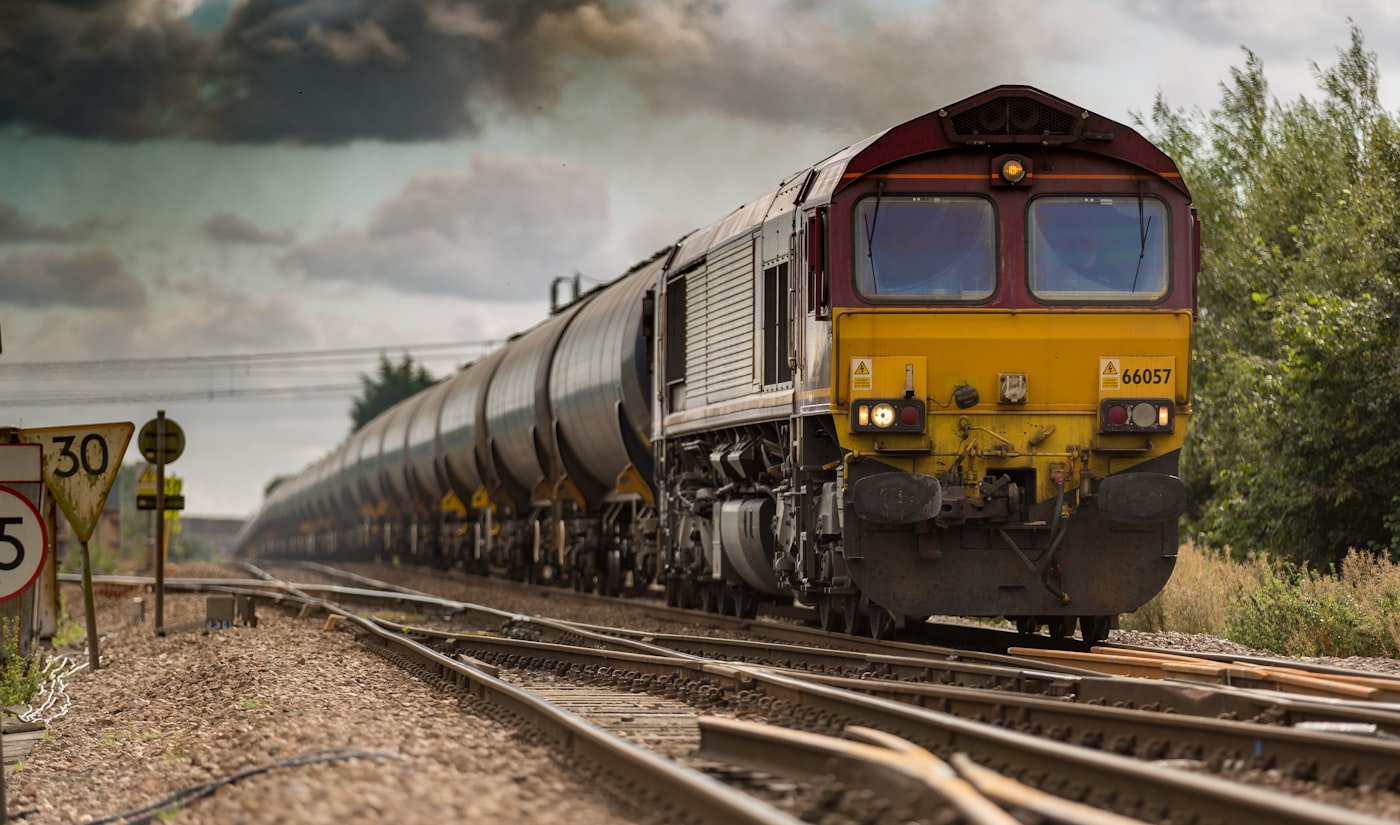
Historic locomotives conquered terrain that many believed impassable
The men who built these routes faced challenges that modern engineers can scarcely imagine. They carved paths through the Selkirk Mountains using little more than dynamite and determination. Thousands lost their lives in avalanches, accidents, and the brutal winter conditions that gripped the mountain passes.
Yet the railway transformed everything it touched. Small settlements became thriving towns. Resources from the interior finally had passage to markets. And perhaps most importantly, Canadians could finally travel their own country—a journey that once took months by wagon could now be completed in days.
Routes That Shaped History
1836
The Champlain and St. Lawrence Railroad
Canada's first public railway opened between La Prairie and Saint-Jean-sur-Richelieu in Quebec, covering just 23 kilometres but igniting a transportation revolution.
1856
The Grand Trunk Railway
Connecting Montreal to Toronto and beyond, this ambitious line became the longest railway system in the world at its peak, reshaping commerce across the region.
1885
The Canadian Pacific Railway
The transcontinental dream realized—from Montreal to Port Moody, British Columbia. The final spike at Craigellachie marked a defining moment in Canadian identity.
1915
The Canadian Northern Railway
A second transcontinental route emerged, offering northern passages through Edmonton and following the Yellowhead Pass through the Rockies.
Engineering marvels like the Lethbridge Viaduct demonstrated Canadian ambition
Experience These Historic Routes Today
While the age of rail as primary transportation has passed, the romance and majesty of Canadian railway travel endures. Today, carefully preserved heritage routes and scenic journeys allow travellers to experience the same breathtaking vistas that awed passengers over a century ago.
"To ride the rails across Canada is to understand the country in a way no other journey permits. The landscape unfolds like chapters in a book, each bend revealing new wonders."
— Railway Heritage Association of Canada
Our curated railway experiences honour this legacy. Whether you seek the grandeur of mountain passes, the tranquil beauty of lakeside routes, or the historic stations that once served as gateways to new beginnings, we connect you with journeys that matter.
Complete the form below to begin planning your journey through Canadian railway history. Our heritage specialists will contact you within two business days.
Important Information
The experiences described on this website are curated heritage tourism services. Individual experiences may vary based on seasonal conditions, preservation requirements, and availability. This content is provided for informational purposes and should not be considered a guarantee of specific outcomes or experiences. We recommend consulting with our heritage specialists to understand current offerings and conditions before booking. All pricing is subject to change and does not include applicable taxes or gratuities.
We use cookies to enhance your browsing experience and analyze site traffic. By continuing to use this site, you consent to our use of cookies. Learn more